How to Clean Facial Tools to Stop Skin Breakouts
Proper cleaning of facial tools is essential for maintaining clear skin and preventing breakouts caused by bacteria buildup. This guide covers effective cleaning techniques for all your skincare devices.
Poin utama
- Regular cleaning prevents bacterial growth that causes breakouts
- Different tools require specific cleaning methods and frequencies
- Proper drying and storage are as important as cleaning itself
- Using the wrong cleaning products can damage tools and skin
Why Cleaning Facial Tools Prevents Breakouts
Facial tools accumulate dead skin cells, oil, and bacteria with each use. When these contaminants build up, they transfer back to your skin during subsequent uses, leading to clogged pores and breakouts. Regular cleaning eliminates this cycle of contamination.
Many people invest in quality but neglect proper maintenance. This oversight can undermine the benefits of even the best products. Consistent cleaning not only prevents breakouts but also extends the life of your tools.
Essential Cleaning Supplies You'll Need
Gather the right supplies before starting. For most facial tools, you'll need mild antibacterial soap, isopropyl alcohol (70% concentration), soft-bristle brushes, and lint-free cloths. Avoid harsh chemicals that could damage tools or irritate skin.
Specialized cleaning solutions are available for specific tools like and electronic devices. Always check manufacturer recommendations, as using inappropriate cleaners might void warranties or reduce effectiveness.
Step-by-Step Cleaning Guide for Different Tools
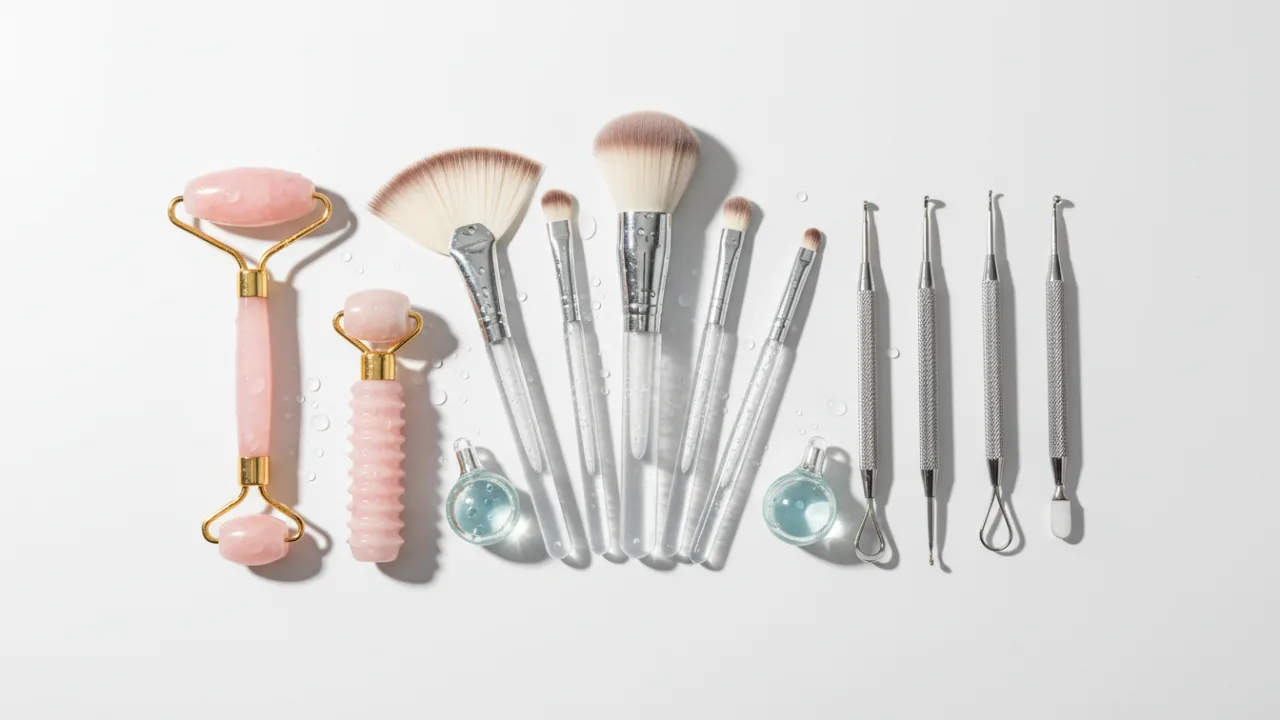
- Langkah 1Cleaning Facial BrushesRinse bristles under lukewarm water. Apply antibacterial soap and gently massage bristles. Rinse thoroughly and shake out excess water. Lay flat to dry completely before next use.
- Langkah 2Sanitizing Metal ToolsWash with soap and water, then disinfect with isopropyl alcohol. Use a soft cloth to dry immediately to prevent water spots. Store in clean, dry container.
- Langkah 3Maintaining Electronic DevicesWipe surfaces with alcohol-based cleaner. Avoid submerging electronic parts. Check manufacturer guidelines for specific cleaning instructions.
- Langkah 4Cleaning Silicone ToolsWash with warm soapy water. Sanitize with alcohol spray. Ensure complete drying as moisture can cause mold growth.
Cleaning Frequency Recommendations
Different tools require different cleaning schedules. Daily tools like facial brushes should be cleaned after each use, while weekly tools like jade rollers can be cleaned once per week. Monthly deep cleaning is recommended for all tools regardless of frequency.
Consider your skin type when determining frequency. Those with may need to clean tools more often. If you notice any skin irritation, increase cleaning frequency immediately.
Common Cleaning Mistakes to Avoid
One major mistake is using hot water on certain materials, which can damage tool surfaces. Another error is improper drying - tools stored while damp develop bacteria and mold. Avoid using harsh scrubbers that can scratch surfaces.
Many people also make the mistake of sharing tools without proper sanitation. If you must share, disinfect thoroughly between users. For more , check our comprehensive guides.
Proper Drying and Storage Techniques
After cleaning, proper drying is crucial. Air dry tools completely on a clean towel or drying rack. Avoid storing tools in closed containers while damp, as this promotes bacterial growth. Use breathable storage solutions.
Store tools in clean, dry areas away from bathroom humidity. Consider using UV sanitizing boxes for extra protection, especially if you have that could be compromised by dirty tools.
When to Replace Your Facial Tools
Even with proper cleaning, tools eventually wear out. Replace brushes when bristles become misshapen, metal tools when surfaces become scratched, and electronic devices when performance declines. Regular inspection helps identify replacement needs.
If tools develop odors that won't clean out or show visible mold growth, replacement is necessary. Continuing to use compromised tools can negate the benefits of your and routine.
Consistent cleaning habits transform facial tools from potential breakout causes to effective skincare allies.
FAQ: Facial Tool Cleaning Questions
Pertanyaan umum
How often should I clean my facial cleansing brush?
Clean after every use to prevent bacteria buildup. Deep clean with alcohol weekly for optimal hygiene.
Can I use the same cleaner for all my facial tools?
No, different materials require specific cleaners. Metal tools tolerate alcohol well, while silicone may need milder solutions.
What's the best way to dry facial tools quickly?
Pat dry with lint-free cloth and air dry in well-ventilated area. Avoid using heat sources that might damage materials.
How do I know if my tool is clean enough?
Tools should look visibly clean, smell fresh, and feel smooth. Any residue, odor, or roughness indicates need for better cleaning.
Baca juga: Our 10 Best Skin care tools in Singapore - August 2022 BestProductsS, Our 10 Best Serums in Singapore - August 2022 BestProductsSingapore., Our 10 Best Face belts in Singapore - August 2022 BestProductsSingap.